Skip to content

Rover Lab

Collect, process, and analyze: the Rover Lab team builds the engineering systems that allow for scientific experiments to be carried out onboard the rover. Using a collection of sensors, motors, pumps, and other electromechanical components, we work under adverse, time-sensitive conditions to discover which lifeforms exist beyond Earth.

The systems we build

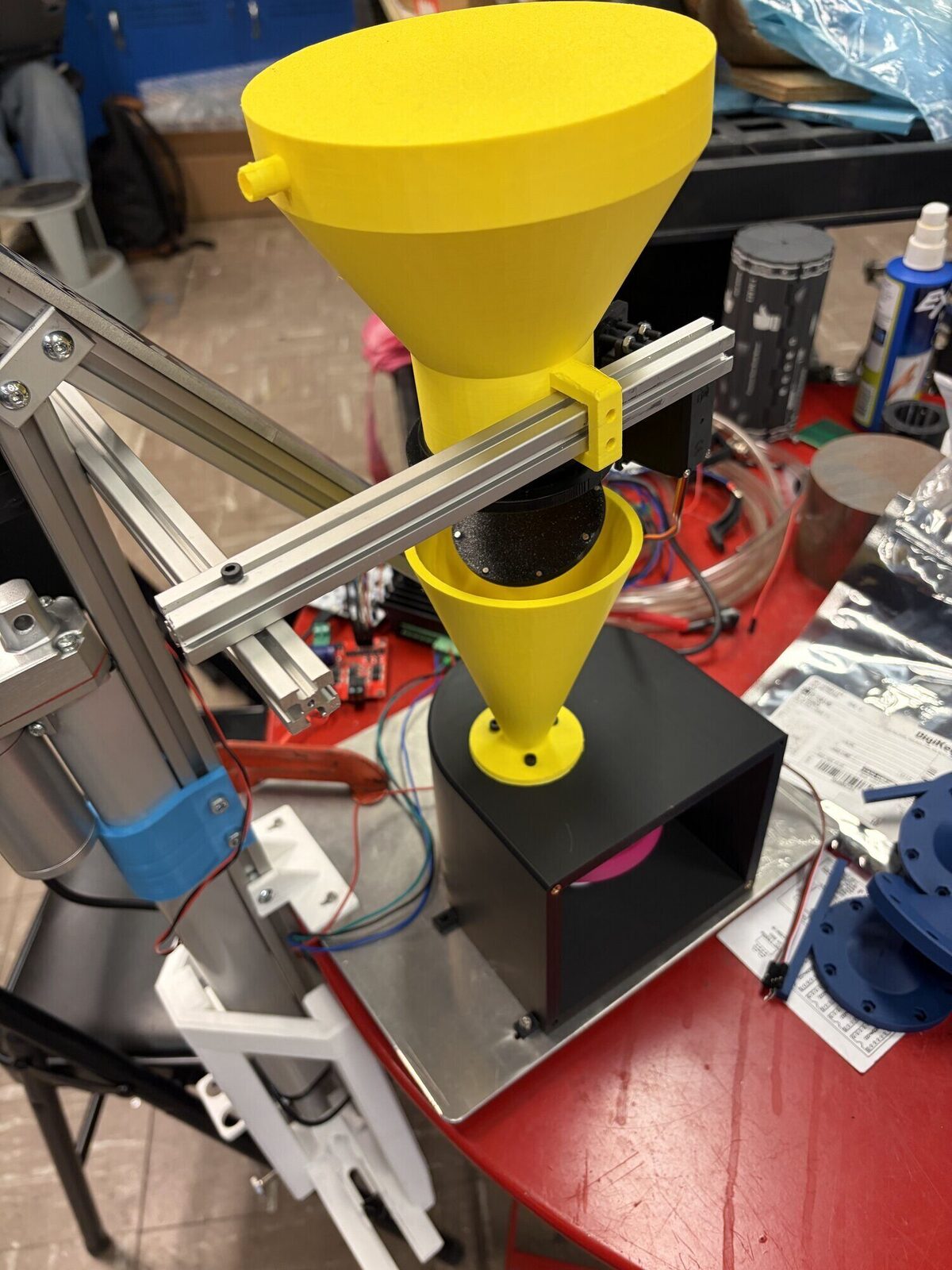
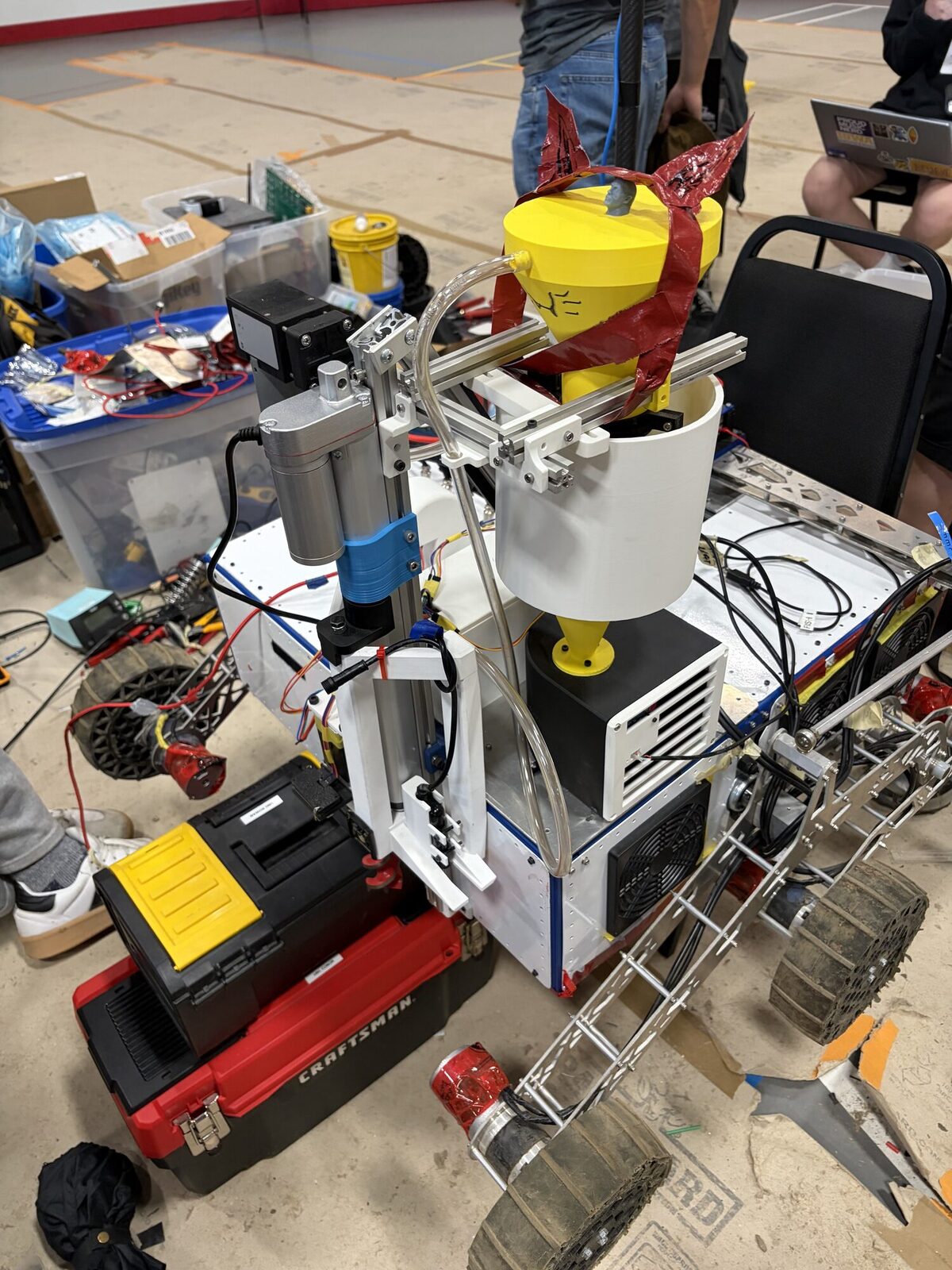
The soil collection hopper.
From above.
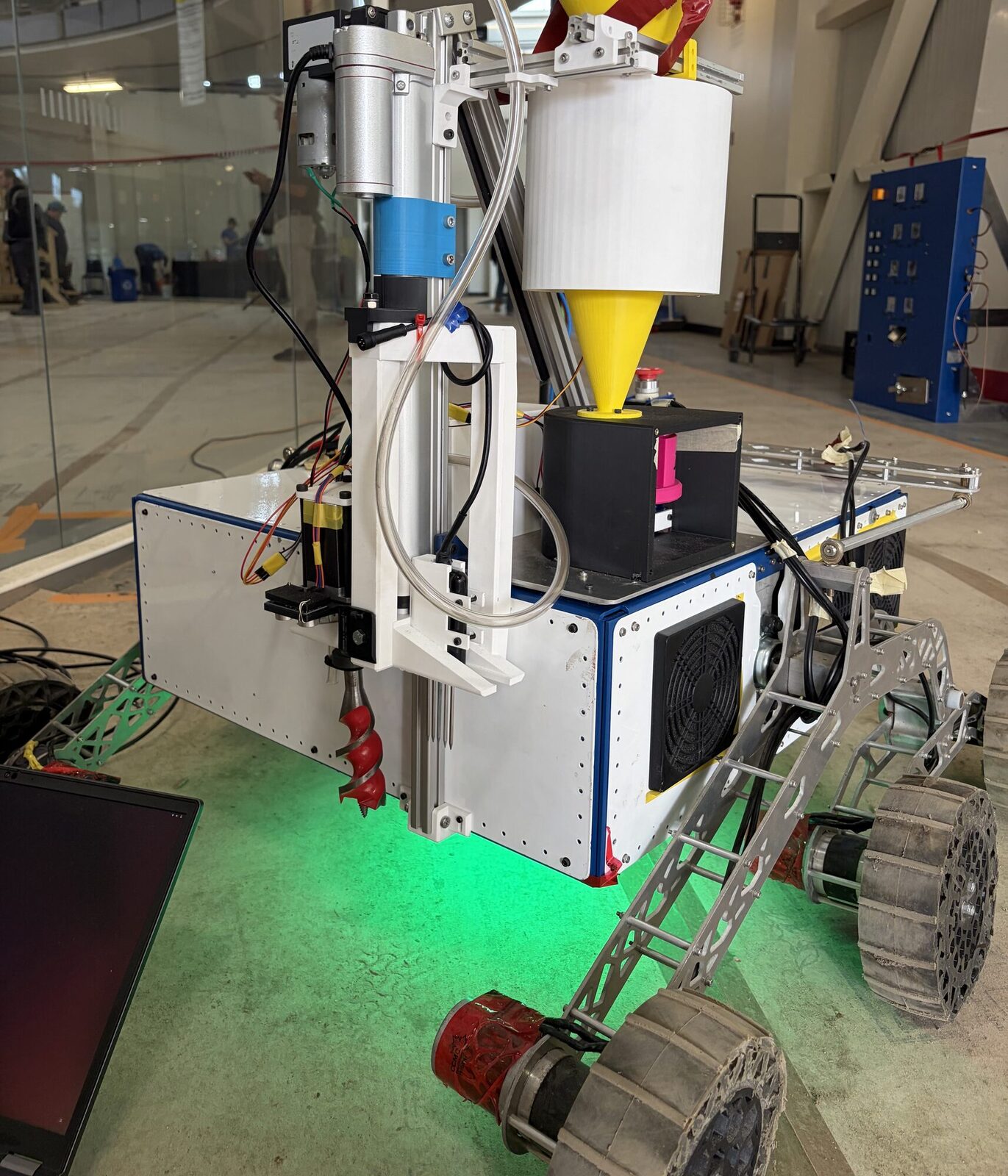
From the front left.
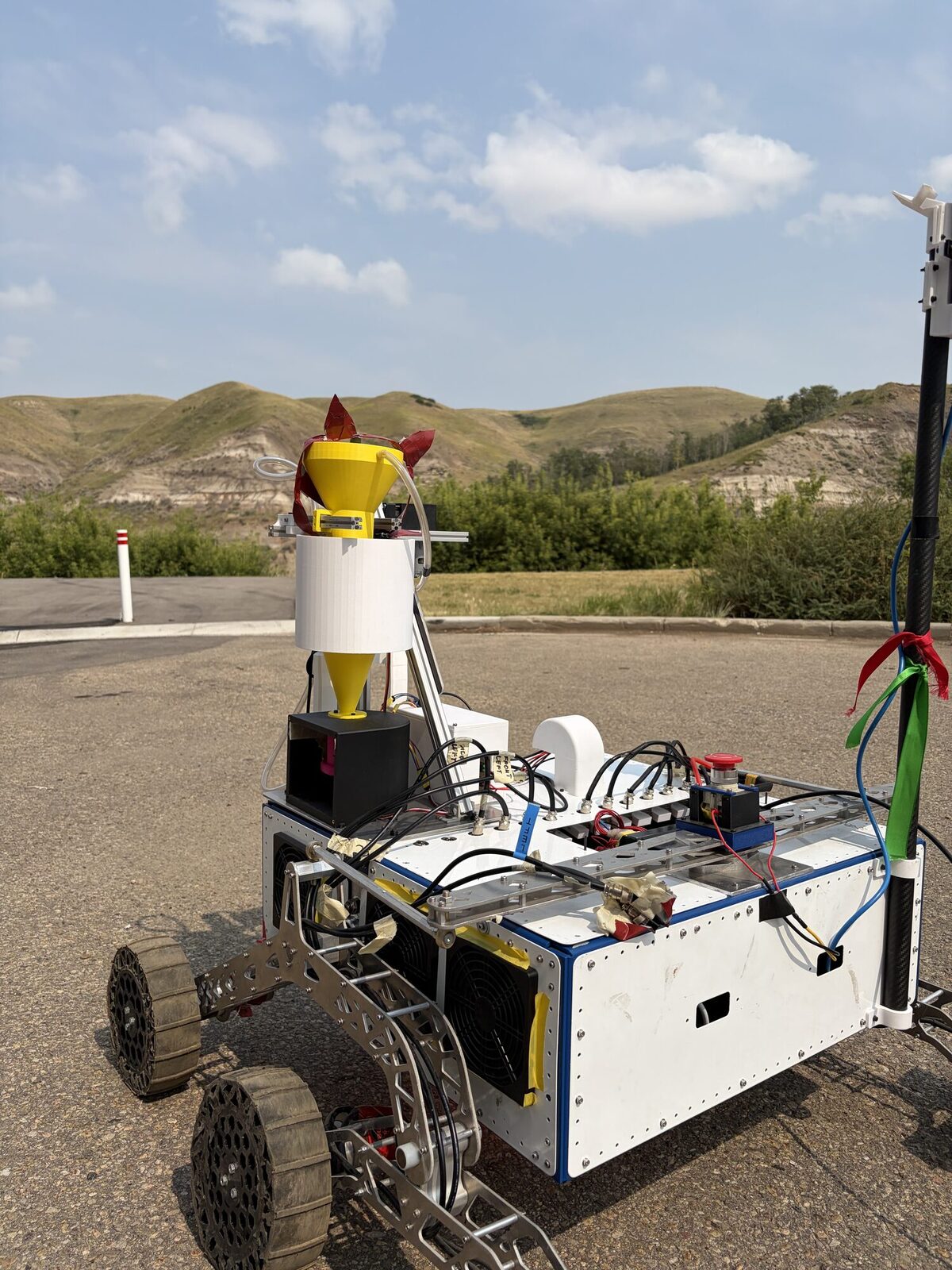
From the rear left.
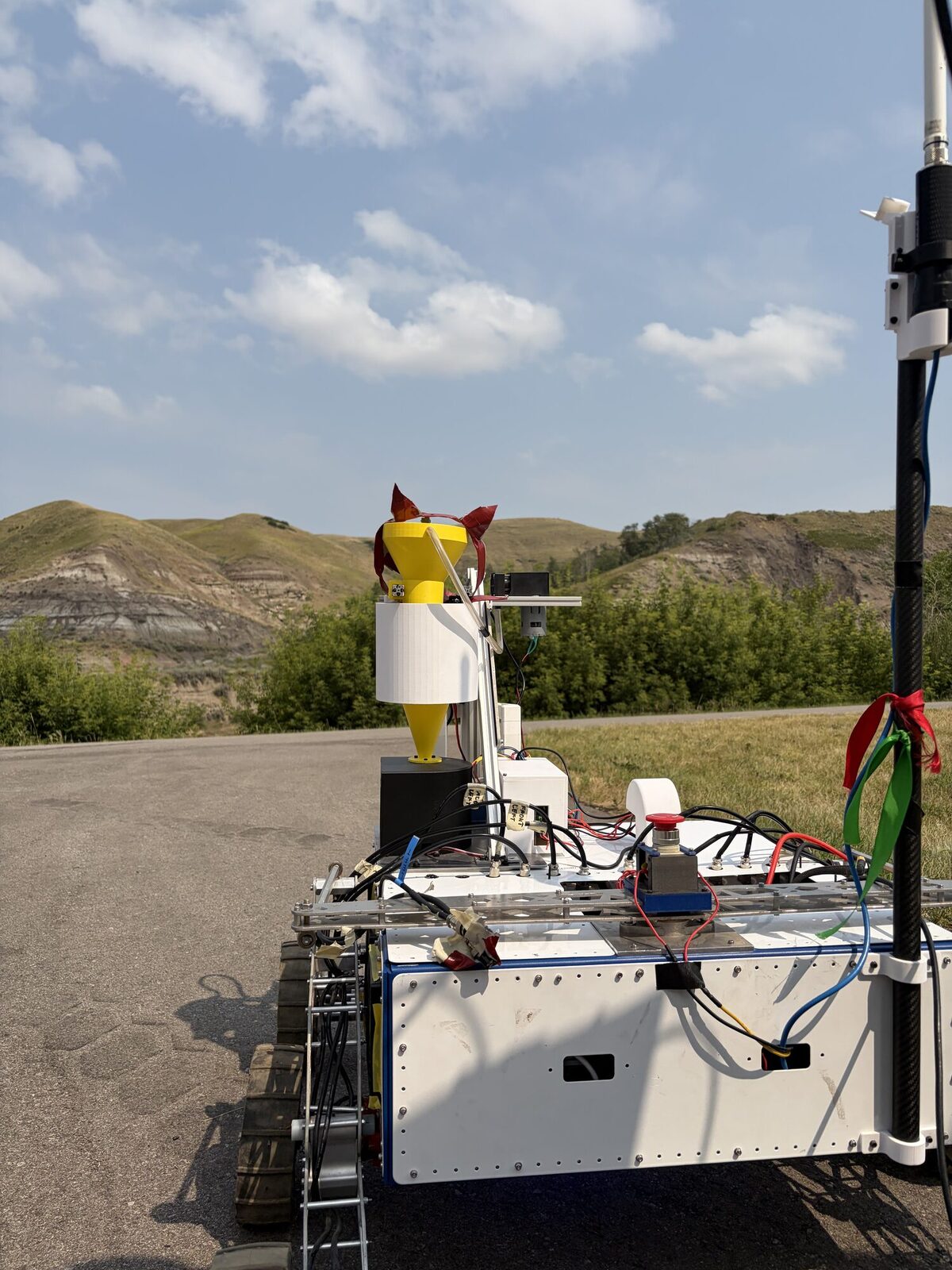
From behind.

1 / 5

Soil Collection

Collects and caches soil samples for experimentation.

The soil collection system provides a method to extract and store samples from dense, dry terrain. It features a drill, a vacuum pump, and a tri-chambered collection carousel, equipping the rover with the ability to analyze multiple sites in one short expedition.

Competition conditions, such as the weather and soil composition, tend to vary heavily by location. The soil collection system is built to be resilient and adaptable. Its main goal is to efficiently gather samples, regardless of the environmental challenges that it may face.

The soil collection system operates under strict time constraints, with most competition exploration periods lasting from 30 minutes to an hour. It must also overcome uneven terrain with unknown geological composition, variations in soil moisture content, and be sturdy enough to survive the journey to and from the sample site.

Tech Specs

Max sample depth
30 cm below surface
Max collection rate
40 L/min
Drill motor
12 V stepper
Caching
Tri-chambered carousel
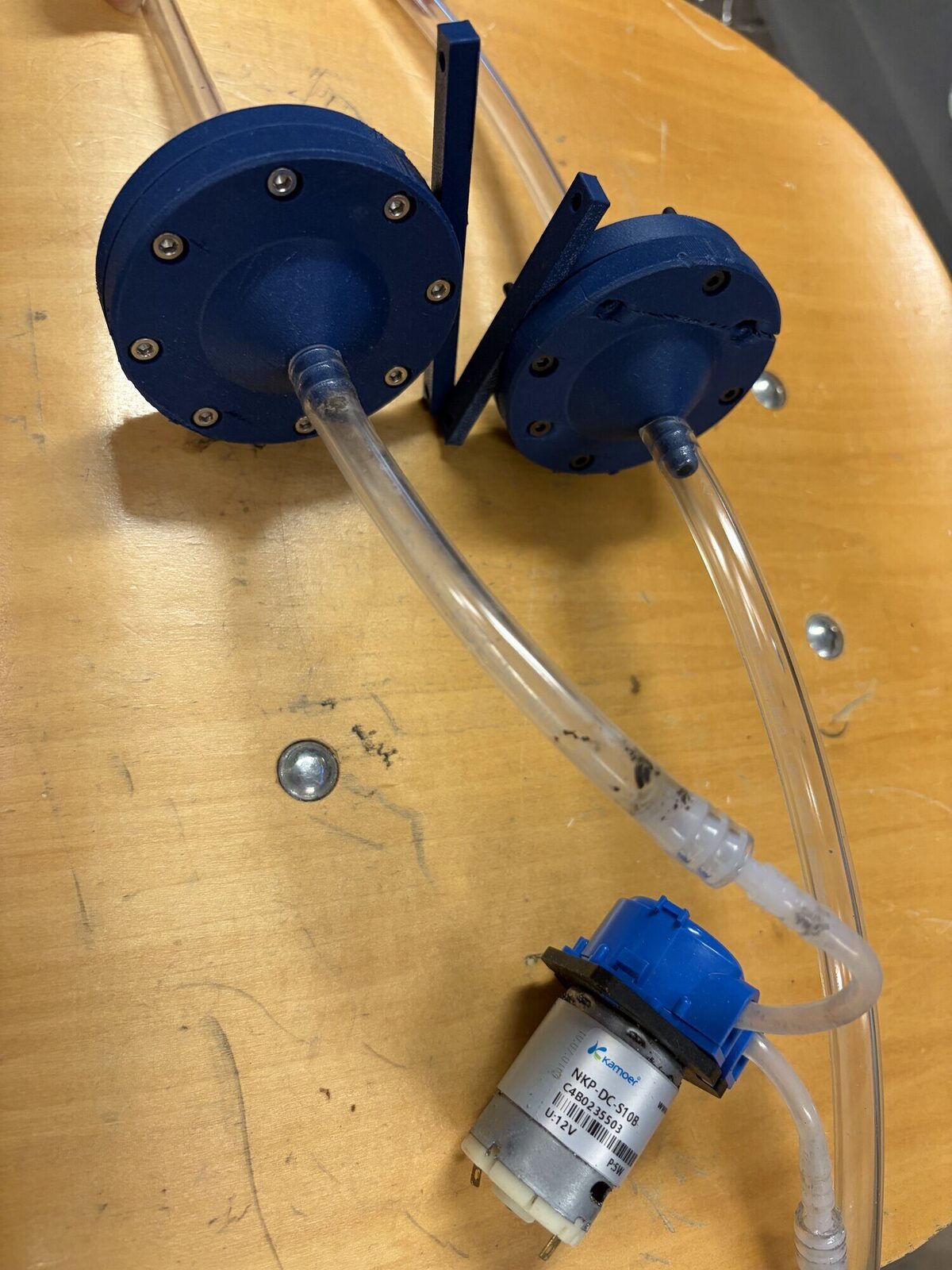
Pumps and tubing on the bench.

Soil Processing

Processes soil samples for biochemical analysis.

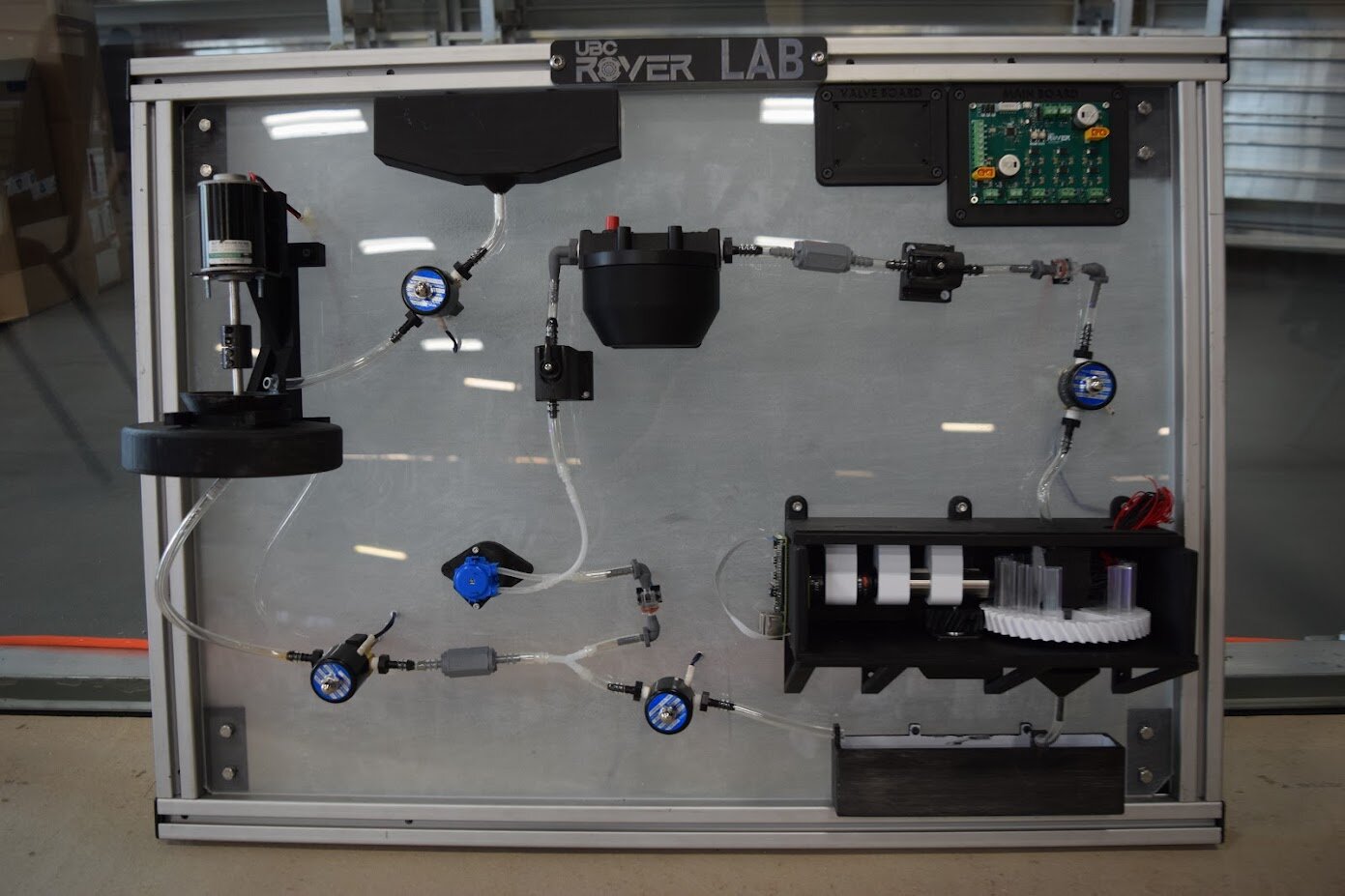
Rover Lab's soil processing system prepares samples using agitation, filtration, and separation. Pumps and valves control the flow of fluid from each compartment. The end result is a homogenized, clear sample that the science team can use for scientific experiments.

This system expects the unexpected. It is manufactured to produce consistent results whilst being flexible by design. By using swappable filters of varying sizes and adjustable agitator blade speeds, Rover Lab is able to react appropriately to variations in soil composition.

It is impossible to predict the exact contents that enter the processing assembly. It must account for blockages, insoluble objects, and potential damage to its components. It also needs to monitor the progress of each processing stage, preventing the sample from premature analysis and ensuring that the chemical assays deliver accurate results.

Tech Specs

Max agitator speed
12,000 RPM
Filtration
Swappable micrometre mesh
Flow control
Pumps and solenoid valves
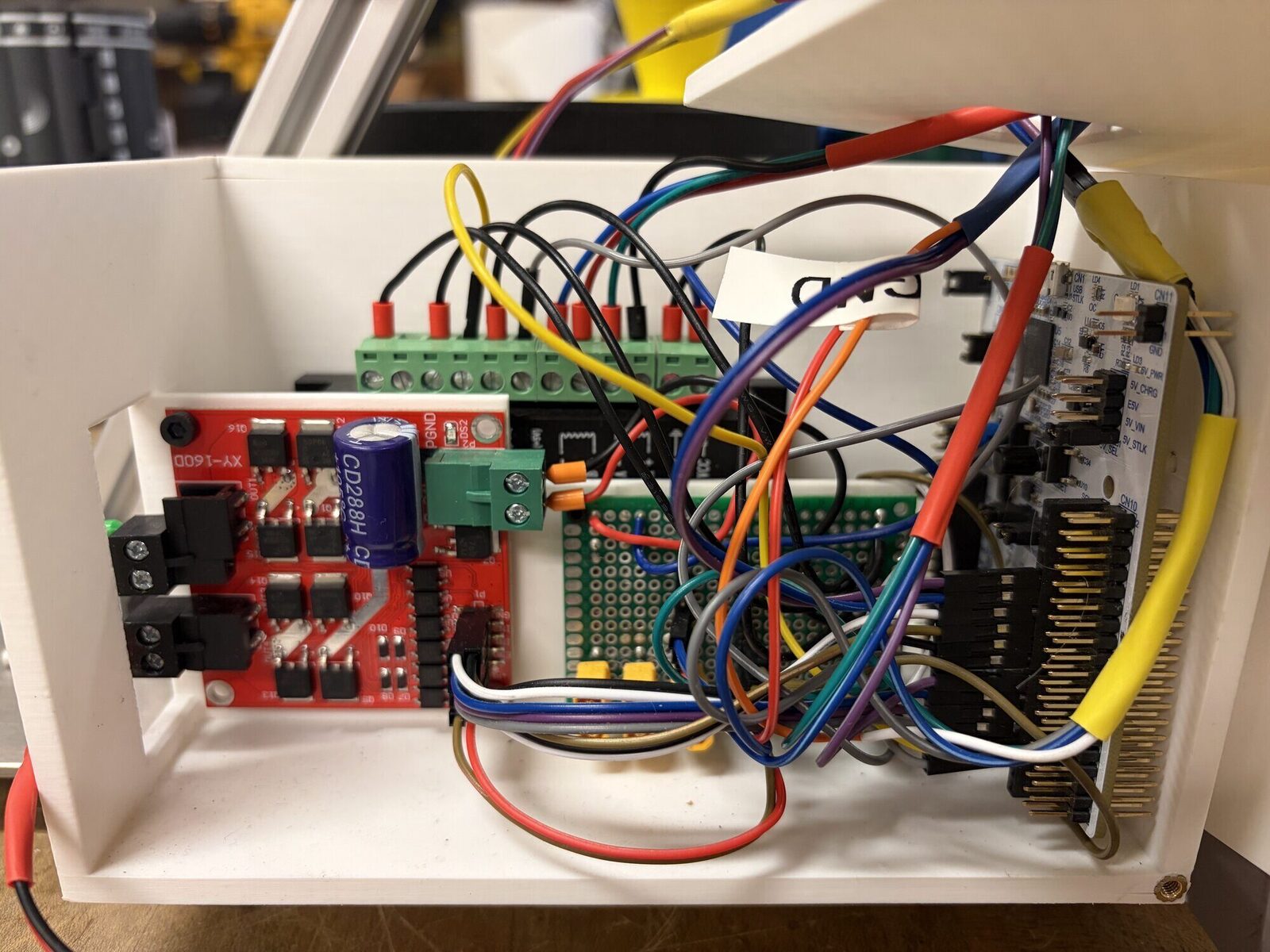
Control electronics in their enclosure.

Electrical Systems

Centralizes the power requirements, drivers, and wiring required to run Rover Lab's electromechanical payload.

Electrical components are the heart and brain of Rover Lab's functionality. Through the use of microcontrollers, circuit boards, and a PCB for the 2026/27 season, this subsystem controls and powers the lab. Every manual or automatic command is linked back to this electrical core, allowing for seamless and efficient control of the rover's soil collection and processing abilities.

The challenges that the electrical system has faced so far involve organization, durability, and power distribution amongst components. This subsystem's focus is to constantly improve the repairability, security, and cohesiveness of Rover Lab's electrical components.

Navigating rocky surfaces poses the risk of unplugged wires or damaged electrical connections, which can cause the failure of a scientific expedition. Components powered by up to 24 V can short circuit and become hazardous when exposed to moisture. Rover Lab's electrical system implements safeguards and solutions to prevent these issues from interfering with the success of the lab.

Tech Specs

Max simultaneous actuators + sensors
10
Supported voltage rails
5 V, 12 V, 24 V