Skip to content

Join Us!

Hands-on experience in robotics, software and mechanical design. Find the subteam that fits and apply to it directly.

What you’d be working on

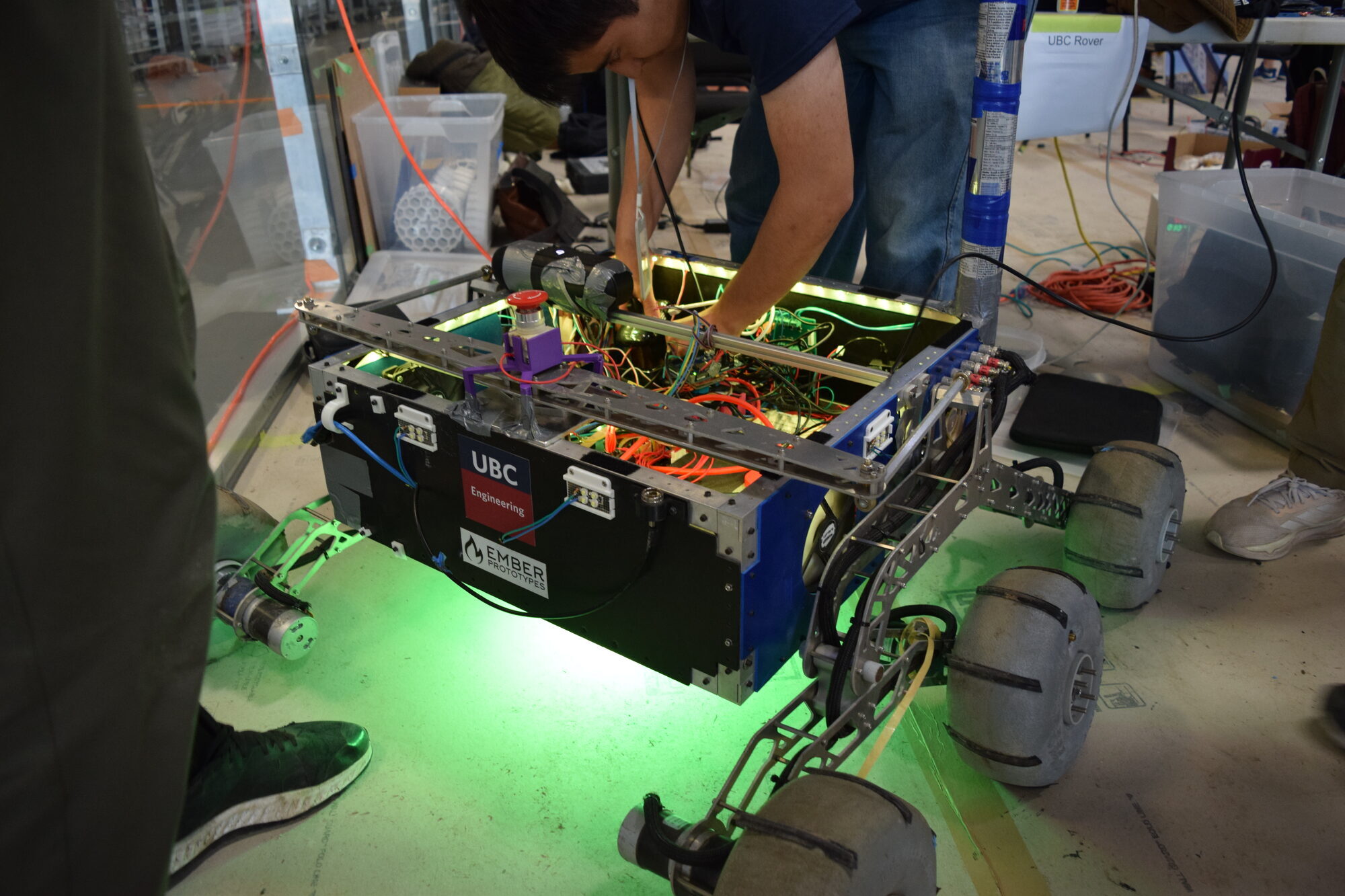
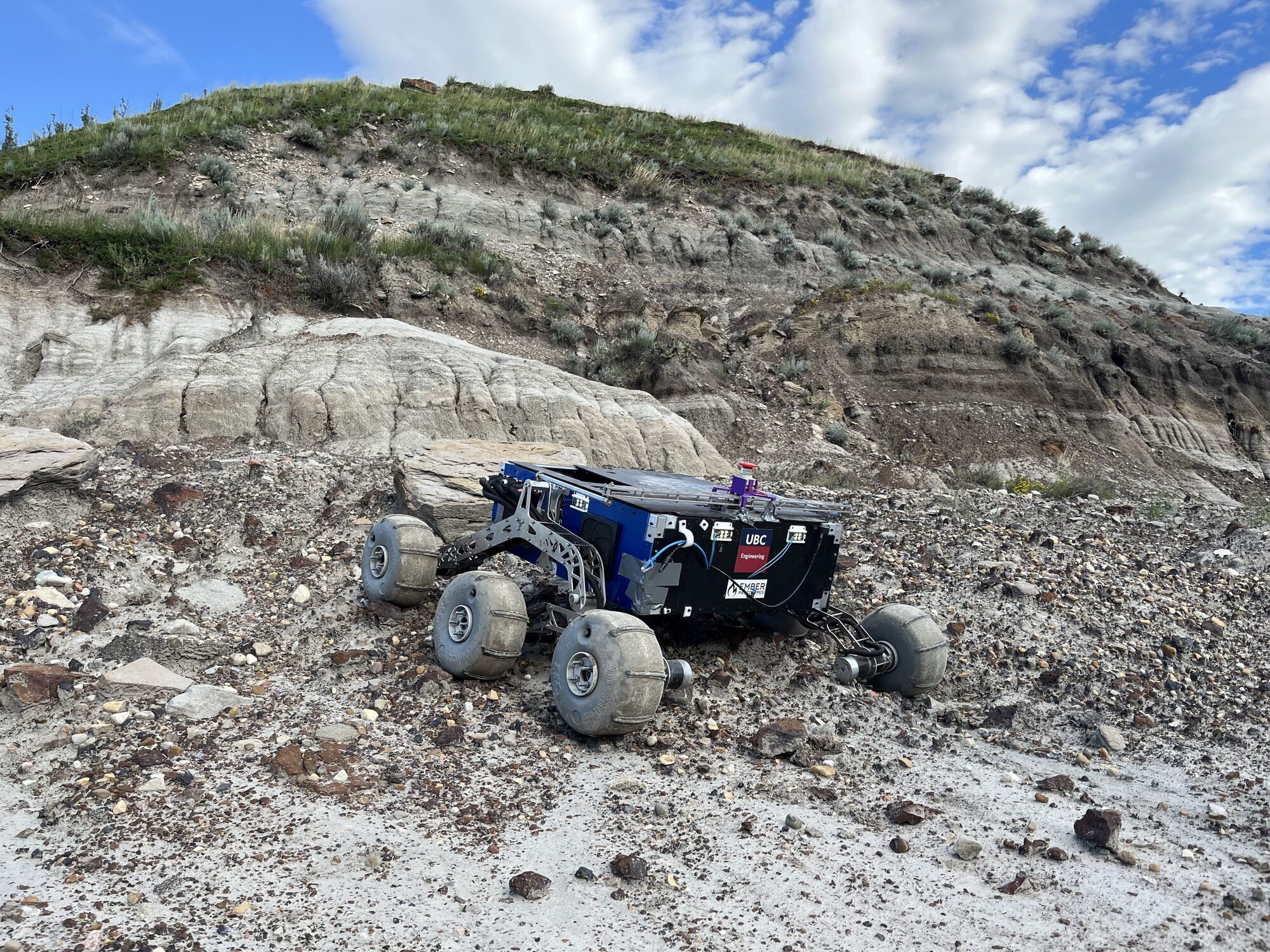
Chassis subteam at work.

Lead: Eugene Lee

Chassis

The Chassis team does hands-on, in-person assembly while learning and practicing mechanical design. We get our hands dirty, which is exactly why we can explain and stand behind every design decision we make. We are the main driver of integration, pulling the work of every other subteam together into a traversal-ready vehicle. Our job is to carry those components on a foundation that is reliable, debuggable, and clean.

  • Mechanical design

    Contribute to the design and development of Chassis subsystems, propose solutions to open-ended problems, and support fabrication through machining, 3D printing and other shop processes. This year's projects are a drivetrain upgrade, a baseplate upgrade, and adding individual steering to the wheels.

  • Integration projects

    Chassis leads integration with the other subteams. Tentative projects include a modular battery system that adjusts capacity to the task, and a deployable communications relay to double our effective range.
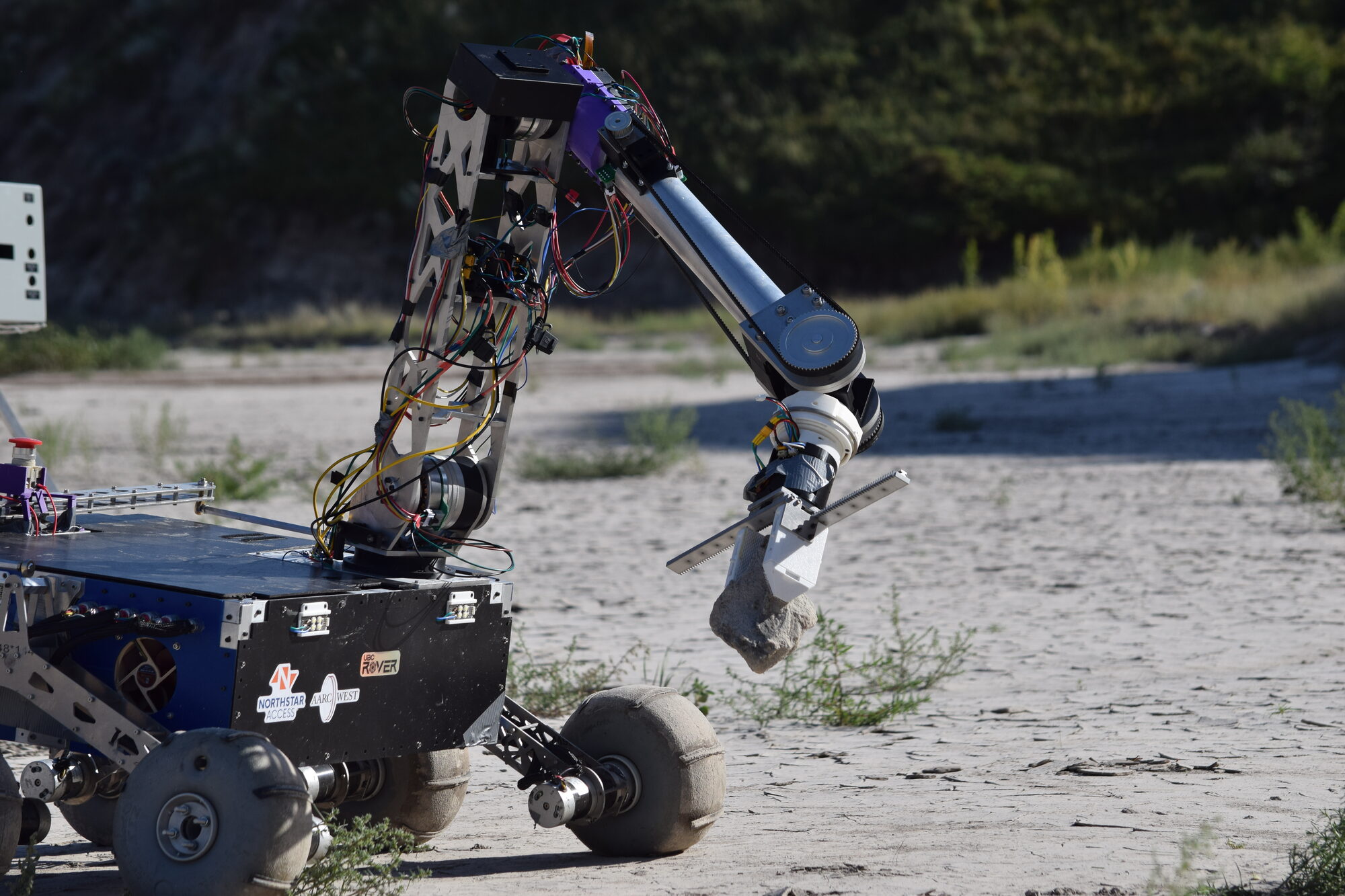
Arm subteam at work.

Leads: William Banquier & Matt Yung

Arm

Manipulation of objects is paramount to all future Martian exploration. The arm team makes that possible. We have a 6 + 1 dof robotic arm which represents the penultimate student robotics object at UBC.

  • Arm

    Polishing the arm so it runs precisely, repeatably and reliably ahead of the University Rover Challenge. Design work, manufacturing, and running tests of arm performance.

  • End effector

    Adding capability to the rover's hand through the design of new hot-swappable End of Arm Tooling.

  • Electrical integration

    PCB design, wiring and motor management across the arm. Members focus on one area but are expected to become familiar with every aspect of building a robotic arm, from mechanical design through to electronics.

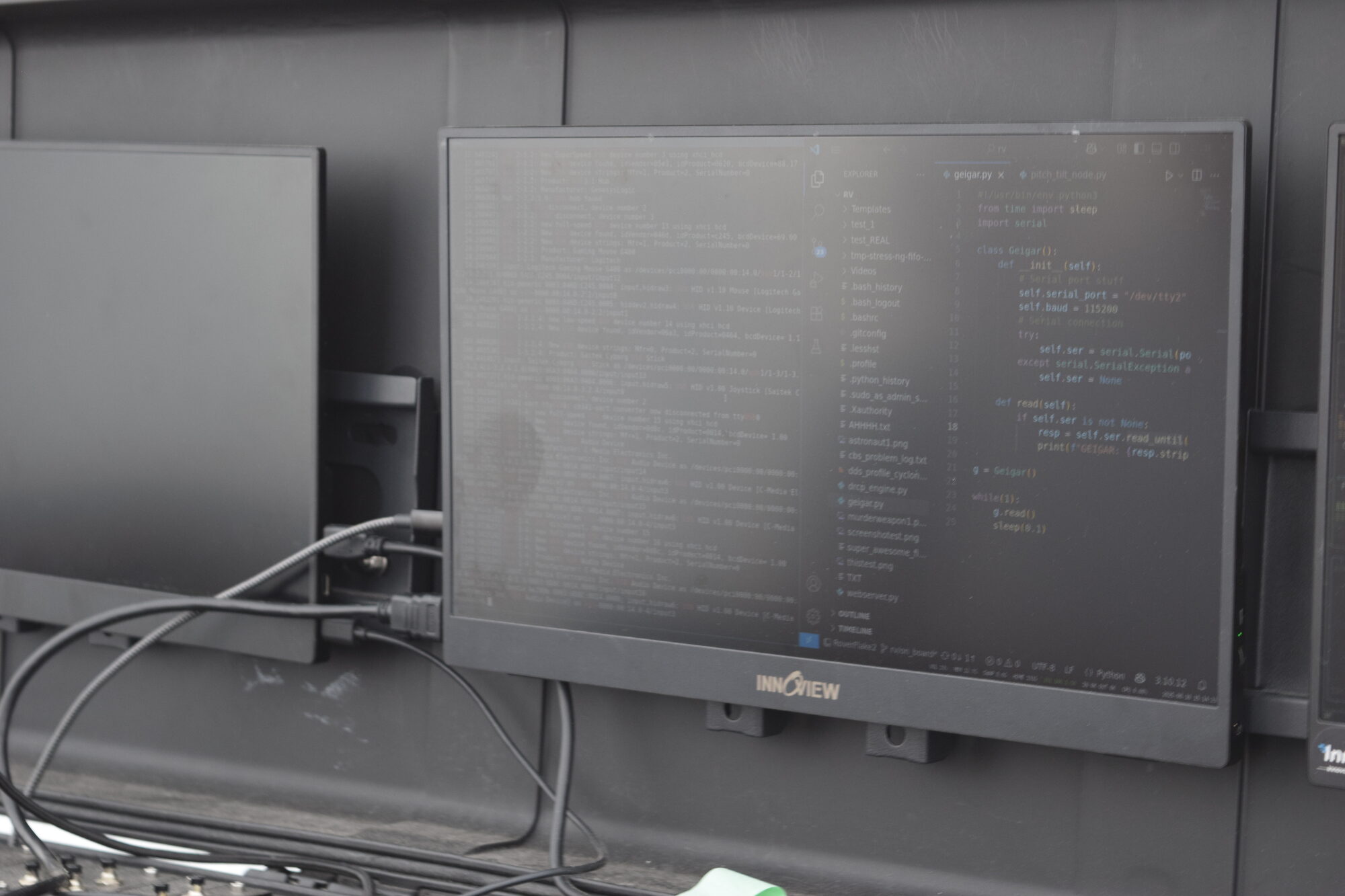
Software subteam at work.

Leads: Rowan Zawadzki, Aaron Rhim, Ben Newington & Riddhima Gupta

Software

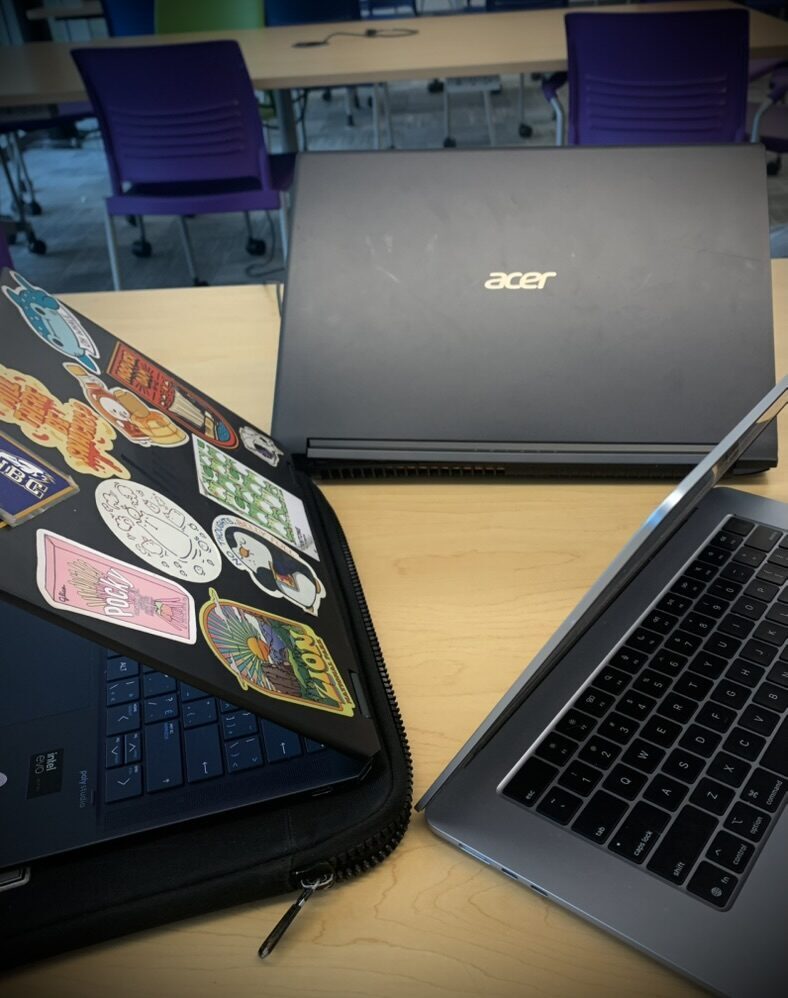
Software makes sure we can control, communicate, automate, and see the rover. We utilize the full potential of our hardware with tuned control loops, thorough testing, and streamlined communication between each subsystem. Our expertise includes blowing up motors, and kindly asking the mechanical teams for unscheduled maintenance.

  • Systems engineering

    Embedded systems, control, and simulation - from small microcontrollers up to the main drive system and the human-machine interface.

  • Autonomy

    Navigation and perception: computer vision, data from LiDAR, IMUs and cameras, and autonomous search and pathfinding algorithms.

  • Communications

    Long-distance Wi-Fi, the deployable relay, radio comms, network testing and Linux networking.

Electrical subteam at work.

Lead: Darwyn M

Electrical

Here in the Electrical team, we do everything from high-level design and PCB manufacturing to testing and integration. We put in the hours to ensure the safety of the rover and everyone around it. And in a high stakes competition environment, when the rover loses its heartbeat, Electrical is ready - multimeters in hand - to bring it back to life.

  • Power systems

    Learn how lithium battery power systems are designed, tested and integrated into a larger system. This year that means collecting accurate power consumption data and speccing a new battery.

  • PCBs and embedded systems

    Design and test in-house PCBs for motor controllers, sensor boards, power distribution and real-time microcontroller systems. This year: using sensors to collect real-time current and voltage data, and installing new motor drivers.

Rover Lab subteam at work.

Lead: Jennifer Phung

Rover Lab

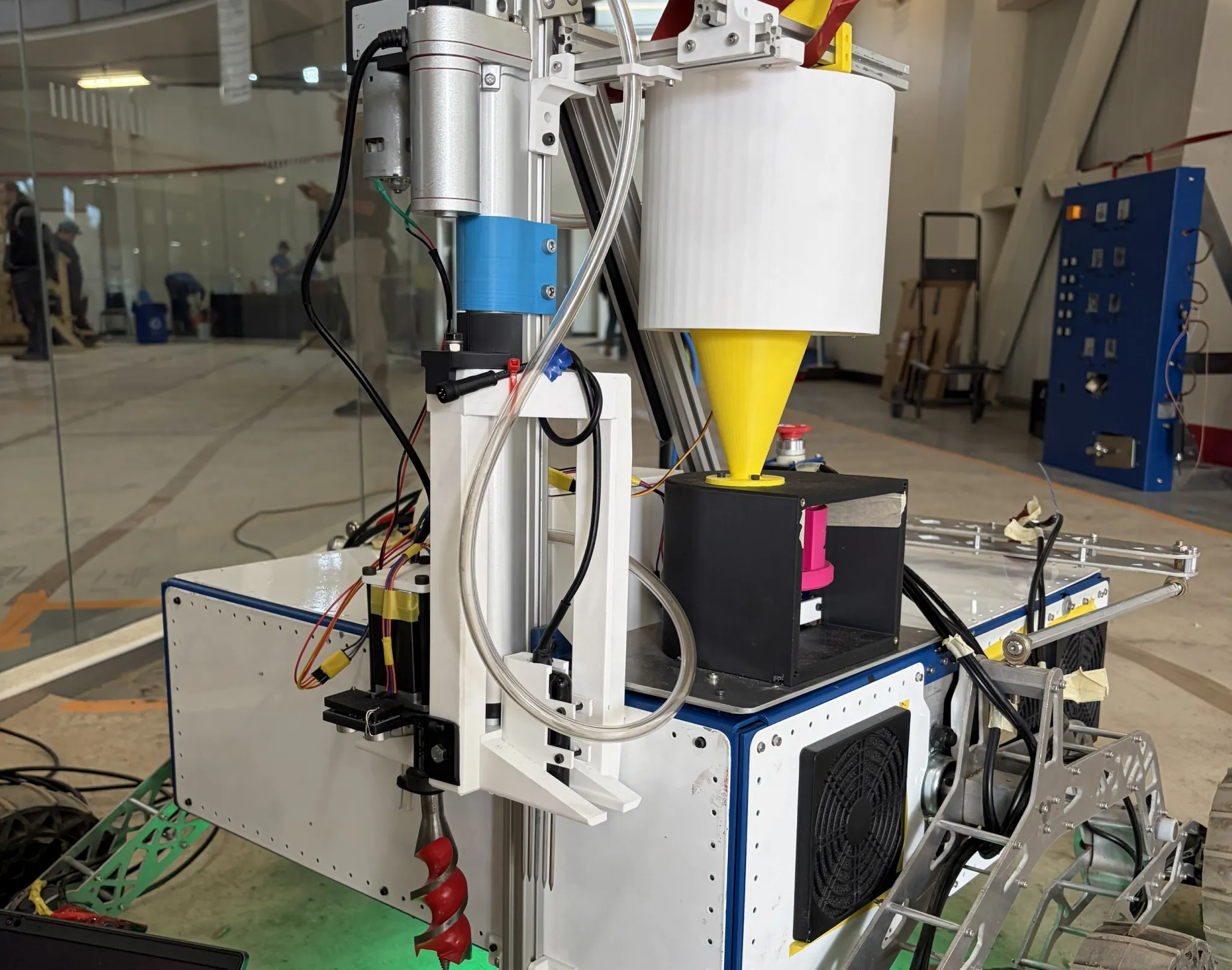
Collect, process, and analyze: the Rover Lab team builds the engineering systems that allow for scientific experiments to be carried out onboard the rover. Using a collection of sensors, motors, pumps, and other electromechanical components, we work under adverse, time-sensitive conditions to discover which lifeforms exist beyond Earth.

  • Soil collection

    Develop a mechanism to break up the arid, compact soil found on Mars, a method to cache the samples, and feedback and control through sensors, cameras and similar peripherals.

  • Soil processing

    Build a leak-proof, clog-resistant fluid transport system, manufacture and test filtration methods from material choice to design, and work to the science team's agitator RPM and sample turbidity specifications.

  • Electrical systems

    Design and manufacture a custom PCB that controls the lab's motors, valves and linear actuators, solder prototype boards, and route cabling to prevent damage and disconnection.

Science subteam at work.

Lead: Danyaal Abbas

Science

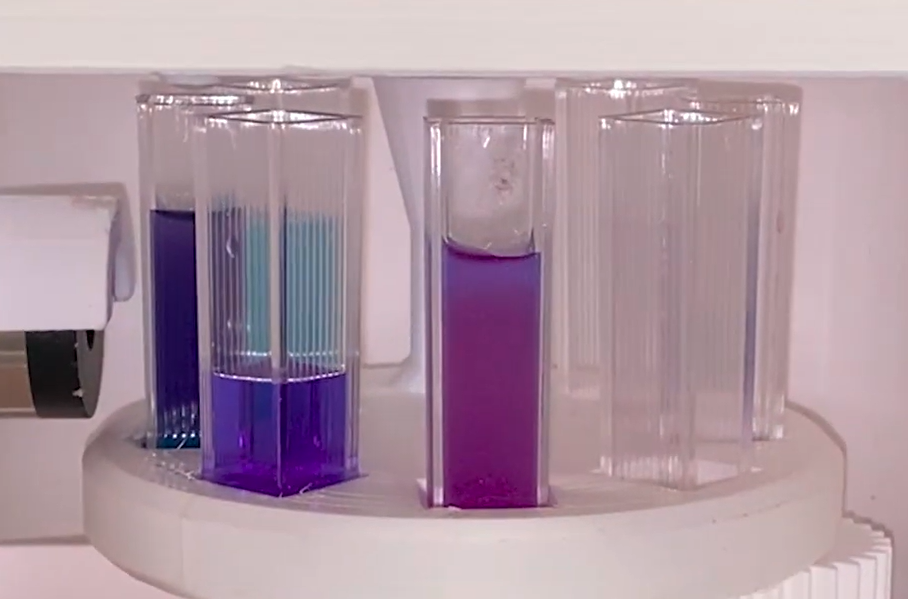
We design an autonomous life-detection lab for the rover, combining biochemical assays, custom instruments, microfluidic lab-on-a-chip systems, and computer vision to analyze Martian habitability with minimal samples.

  • Life detection

    Optimise the life-detection assays that run on the onboard spectrophotometer, and develop new ones. Team expert on astrobiology and the biology of Mars.

  • Instrumentation

    Optimise the onboard spectrophotometer across its design, function, calibration and integration with Rover Lab, and develop the novel sensors that life detection needs.

  • Geology

    Optimise a custom stratigraphic profile interpretation pipeline, and work with the software team to train a computer vision model to read those profiles.

  • Lab-on-a-chip

    Use our FormLabs 3B+ resin printer to miniaturise life-detection assays, design chips with integrated sensors, and take microfluidic design to a university design team competition for the first time.

Business subteam at work.

Business

The technical subteams might build the brain and skeleton of the rover, but Business is the blood that keeps the entire team pumping. We secure the corporate sponsorships, capital, and resources required to turn our ideas into a highly competitive Rover. By directing our digital brand, managing the treasury, and producing critical media like the SAR video, we build the operational foundation that makes UBC Rover possible.

  • Sponsor outreach

    Lead direct outreach to corporate sponsors, manage professional communications, and negotiate funding or in-kind manufacturing donations. You would also develop and distribute the team's core sponsorship package. Three positions.

  • Social media

    Take primary ownership of creating, managing and scheduling content across every platform, and work with the engineering subteams to turn technical updates into posts people actually read. One to two positions.

  • Videographer

    Produce, shoot and edit the System Acceptance Review video - the single most important competition submission of the year - plus content for technical showcases and sponsor updates. One position.

  • Brand management

    Oversee a cohesive visual identity across the logo, merchandise, stickers and banners, and develop and maintain the website: UI/UX, keeping it current, and managing the application portals. Two positions.

  • Treasury

    Manage the team's finances: budgets, expense tracking and forecasting across every subteam, plus reimbursements and procurement logistics so parts arrive on time. One position.

Watch for the announcement

Recruitment opens every Fall and we post it on our socials. Questions before then are welcome any time.